
We’ll be showcasing the bottle at Wine Paris 2026 (Hall 7.2, Stand P279) before rolling out around the world.
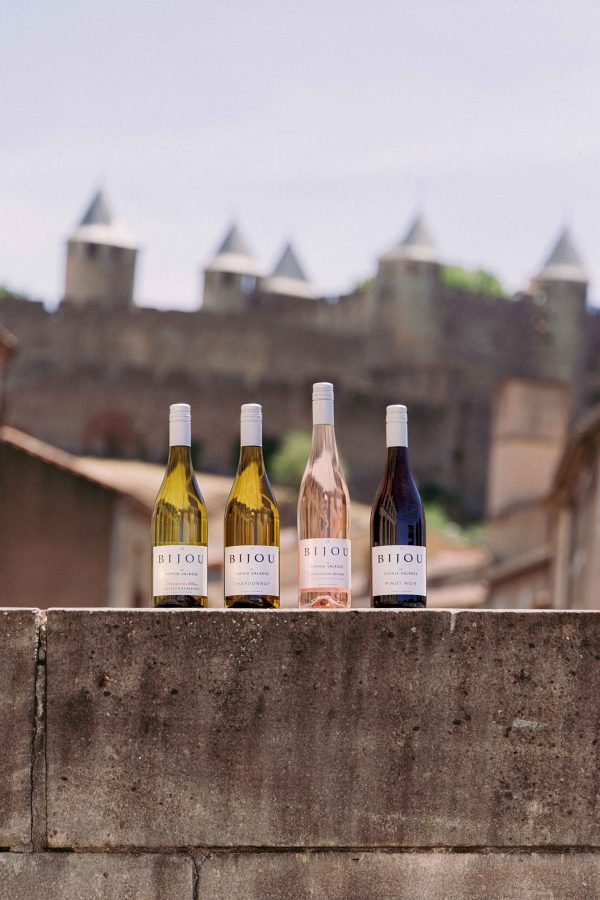
We’re incredibly proud to introduce the world’s first 410g lightweight flute 75cl bottle – a new benchmark for sustainable wine packaging within the rosé sector. For context, most standard Provence-style bottles weigh closer to 450–500g. Ours delivers the same iconic silhouette, but with significantly less glass and a much smaller carbon footprint.
Glass bottles account for around half of a wine’s total carbon footprint, according to research from the Sustainable Wine Roundtable (SWR). Add long-distance transportation into the mix, and the environmental impact quickly grows.
Reducing bottle weight is one of the most effective ways the wine industry can cut emissions – without compromising on quality or design. That’s exactly the challenge we set out to solve.
Working closely with Saverglass, a premium glass manufacturer based close to our winery in the Languedoc, we developed a flute bottle that retains Bijou’s signature elegance while dramatically reducing weight. Producing the glass locally also helps minimise unnecessary transport, further lowering emissions across the supply chain.
This innovation is part of a much wider commitment to responsible winemaking at Bijou. We source 100% of our grapes from Organic or HVE3 Certified vineyards, prioritising biodiversity and sustainable farming at every stage of production.
The new 410g bottle comes in below the 420g target set by the SWR’s Bottle Weight Accord, and by cutting 30g of glass per bottle, we expect to remove around 92 tonnes of glass from our 2026 supply chain. That’s the equivalent of roughly 22,000 bottles eliminated before they even reach our partners.
It also builds on a journey we began back in 2022, when we moved away from the much heavier 640g Estella bottle across our best-selling Le Bijou de Sophie Valrose range – a decision that opened the door to further light-weighting across the portfolio.
Edward Vellacott, Managing Director of Bijou, said: “The decisions made when wines are selected for ranges and lists can have a huge impact on the carbon footprint of the whole supply chain. Collaborating with partners who are open to exploring lighter glass and alternative formats means we can gradually move towards lasting, scalable change across the category.”
The lightweight flute bottle will launch in the UK from March 2026, starting with Waitrose, a founding member of the Sustainable Wine Roundtable and a long-standing partner in packaging innovation.
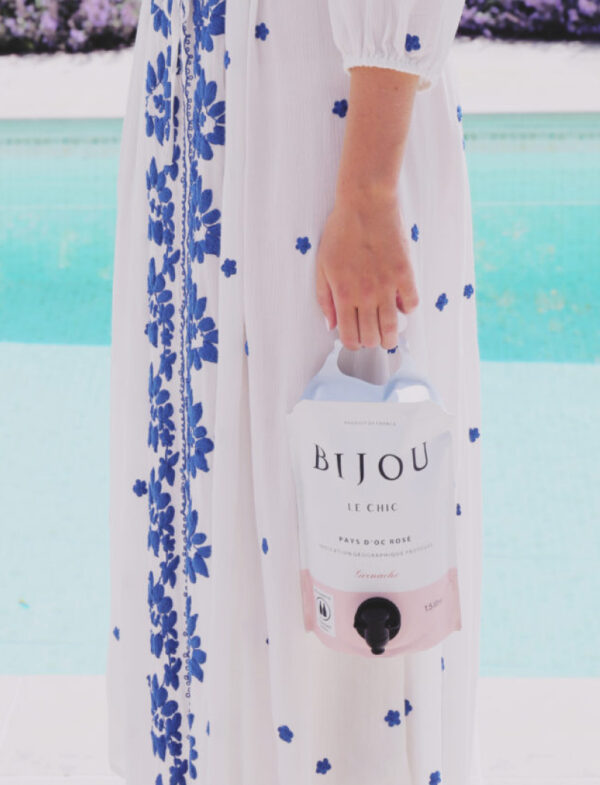
Waitrose was among the first retailers to introduce aluminium wine cans in 2022 – including Bijou Le Chic Rosé – and previously pioneered our 1.5L Le Chic Pouches back in 2019, offering customers more convenient and lower-impact formats.
Nicola Jones, Wine Trading Manager at Waitrose, says: “We’re delighted to work with Bijou on this pioneering initiative. Lightweight glass is one of the most effective changes we can make to cut carbon emissions in the wine sector, and this launch reflects our shared commitment to providing more sustainable choices for our customers and the planet.”
The bottle will also roll out internationally, including Norway’s monopoly market and Coles in Australia, with further global launches planned over the following year. In Norway, the timing aligns perfectly with new sustainability regulations coming into force later this year.
Monica Andersen, Business Director Wine at Haugen-Gruppen, added: “Bijou’s commitment to innovation is exactly what the industry needs as it adapts to the new sustainability requirements, arriving just in time for the new monopoly regulations.”
We’ll be showcasing the new lightweight flute bottle for the very first time at Wine Paris 2026 (Hall 7.2, Stand P279), giving trade partners the chance to see, and feel, the difference first-hand.
If you’re attending and would like to book a meeting with the team, you can contact us at [email protected].
EXTERNAL COVERAGE LINKS:
You can explore selected media coverage below to see how this launch is being received across the wine industry.
Discover
Bijou
Bijou to Showcase at Wine Paris and ProWein 2026

Bijou Launches Billboard Campaign in New Zealand

Bijou sponsors Women of the Year Awards 2025

Meet our signature Sophie Valrose Range

Vestige Chardonnay achieves 95 points from Decanter

Bijou achieves Grade A+ in BRCGS

Gold medals from Vinalies & Berliner Wein Trophy

5 stars for Terre De Providence
